I am not a machine learning researcher. I am a mechanical engineer, an operations leader, and a builder. For five years I have designed, installed, and maintained critical infrastructure in manufacturing plants—systems where failure means an entire facility goes dark. I am also co-founding Seraphim AI, an agentic platform built on biblical principles for faith-based and underserved communities. These worlds may appear distant from the work of Anthropic’s Societal Impacts team, but the distance is shorter than it looks.
The Societal Impacts team studies how AI systems behave when they meet the unpredictable realities of human use. They build tools like Clio to surface patterns that top-down evaluation cannot anticipate. They ask whether Claude’s constitutional values hold under adversarial conditions. They measure the gap between what a system is designed to do and what actually happens when people interact with it.
I have spent my career navigating that same gap—between how systems are designed and how people interact with them physically, financially, and relationally. This paper presents two infrastructure case studies and one AI project that converge on a single thesis:
Systems fail when they are designed without the people closest to the work. This is true whether the system is a 30,000-pound gearbox, a compressed air network, or an AI agent.
This principle is not original to me. It is the foundation of the participatory design tradition, from the Scandinavian labor-union technology projects of the 1970s to Toyota’s Genchi Genbutsu—“go and see for yourself.” It is the lesson of the NUMMI plant in Fremont, California, where the worst factory in America became the best in one year using the same workers and the same equipment, simply because management began listening to the floor. And it is the animating conviction behind Seraphim AI, where constitutional design begins not with the preferences of engineers, but with the needs of the communities the system is meant to serve.
When Systems Fail: The Florida Gearbox Project
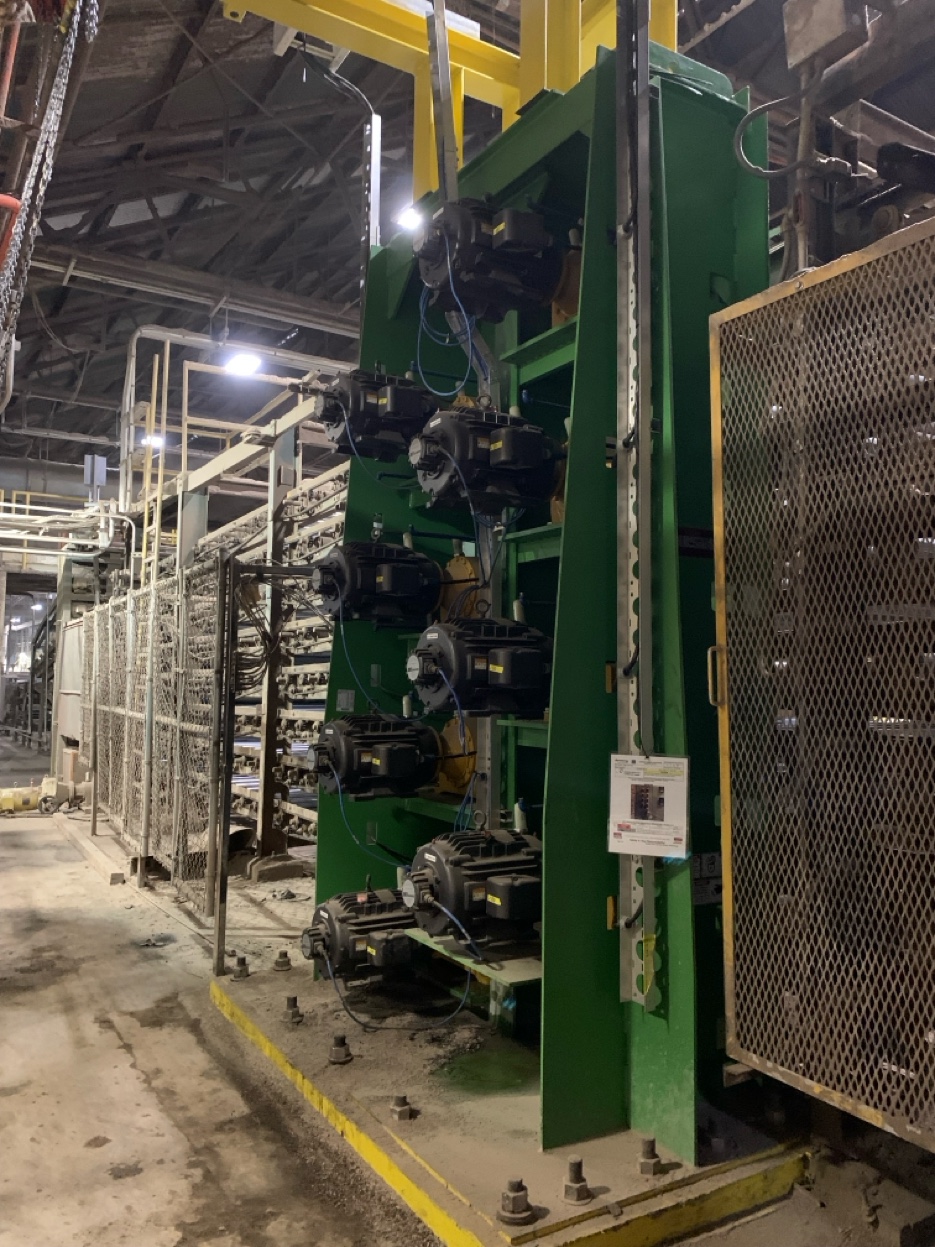
In 2023, I was assigned to lead a critical infrastructure replacement at an Armstrong World Industries ceiling tile plant in Florida. The project involved replacing the gearbox and drive system on an 8-deck, 500-foot dryer—the first stage in the plant’s manufacturing process. Every product line in the facility depended on this dryer. If it failed, the entire plant was dead. Four fabrication lines, hundreds of workers, and a full order book—all bottlenecked through a single piece of equipment.
I was the third engineer assigned. Two had already failed.
The Failure Mode Was Human, Not Technical
The first engineer—I will call him Steve—ran the original design. Steve was technically competent but operated in a purely top-down mode. He did not solicit input from the operators who ran the dryer daily or the mechanics who would maintain the new system. In one incident that crystallized the problem, he told an operator directly: “Your opinion doesn’t matter. I’m the engineer on the job.”
The resulting design reflected this philosophy. It was technically specified but had never been validated by the operators who ran the dryer or the mechanics who would service the new system. The consequences of that omission would not become fully visible until after installation—but they were built into the design from the start.
The participatory design literature has a name for what went wrong here. The Scandinavian tradition calls it the failure to integrate the “epistemology of the floor”—the tacit knowledge held by workers whose daily proximity to the system gives them information that no engineering model can fully capture. Toyota’s production philosophy formalizes this as Genchi Genbutsu: go to the actual place, observe the actual work, build consensus with the people who do it. The problem in Florida was the same.
Rebuilding from the Ground Up
I arrived in August with a hard deadline: the plant ran a 10-day-on, 4-day-off continuous production schedule, and the only feasible installation window was a 10-day outage between Christmas and New Year’s. If we missed it, the entire plant would stay down until a resolution was found. There was no fallback.
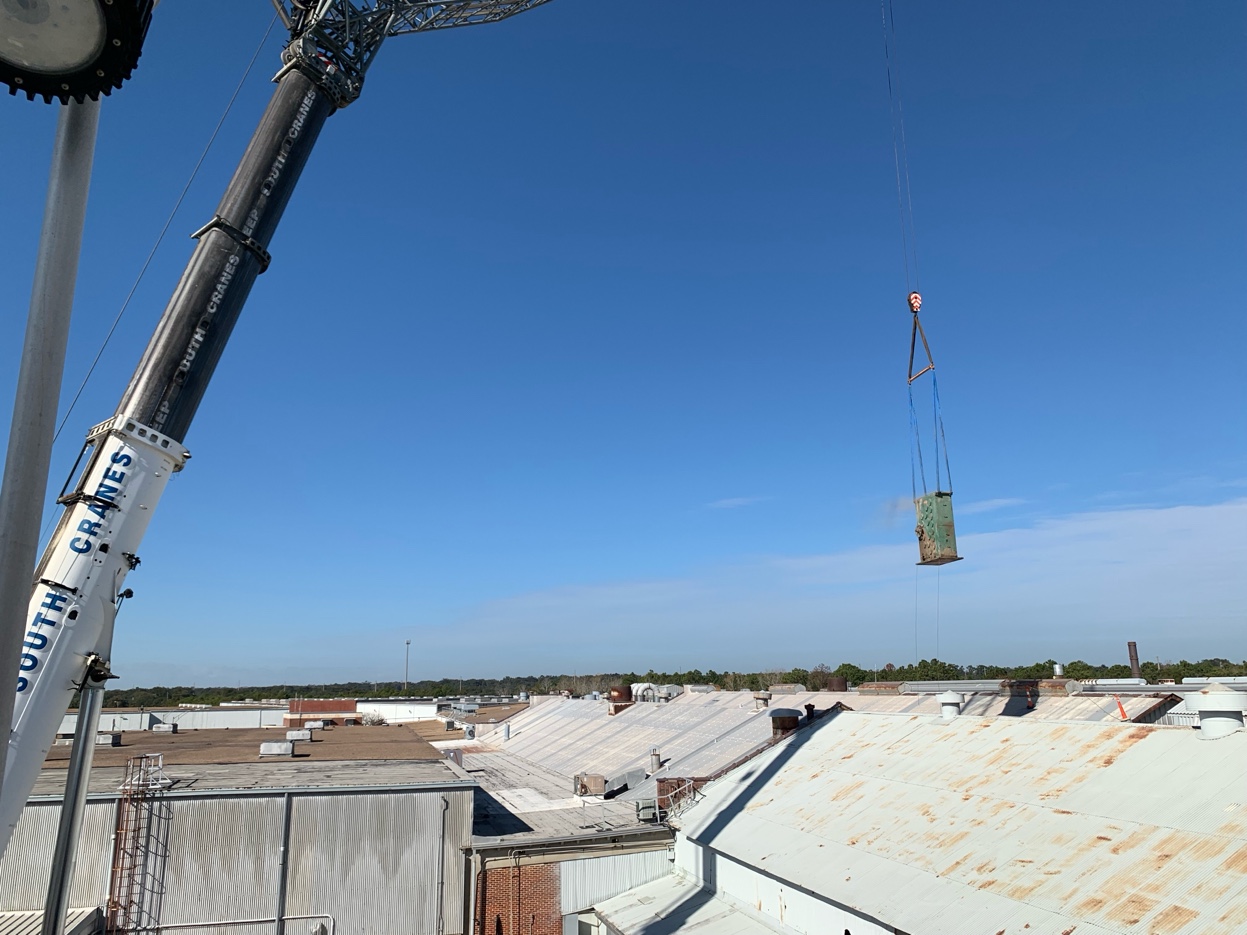
The installation itself required a 400-ton crane—so large it had to be assembled on site using a smaller crane. The old gearbox weighed 30,000 pounds; the new system, 12,000 pounds. Because there was no way to maneuver the equipment through the building, we removed a section of the roof and installed the gearbox from above.
The Closest Call—And What It Revealed
During drive tuning, a seal burst and oil flooded the area. We lost half a day. Fortunately, we had two spare gearbox assemblies on site—a discipline rooted in the principle that redundancy is the difference between a recoverable setback and a catastrophic failure.
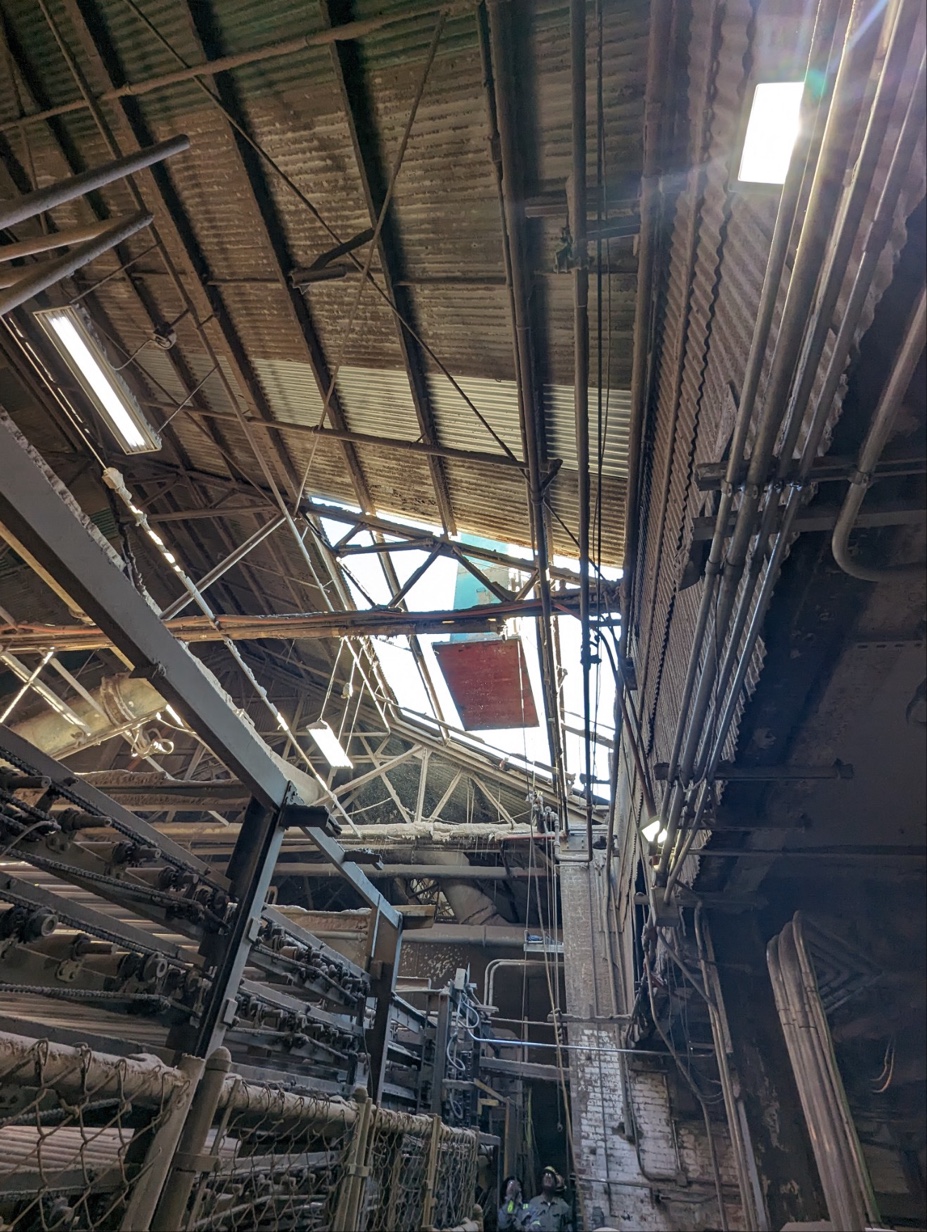
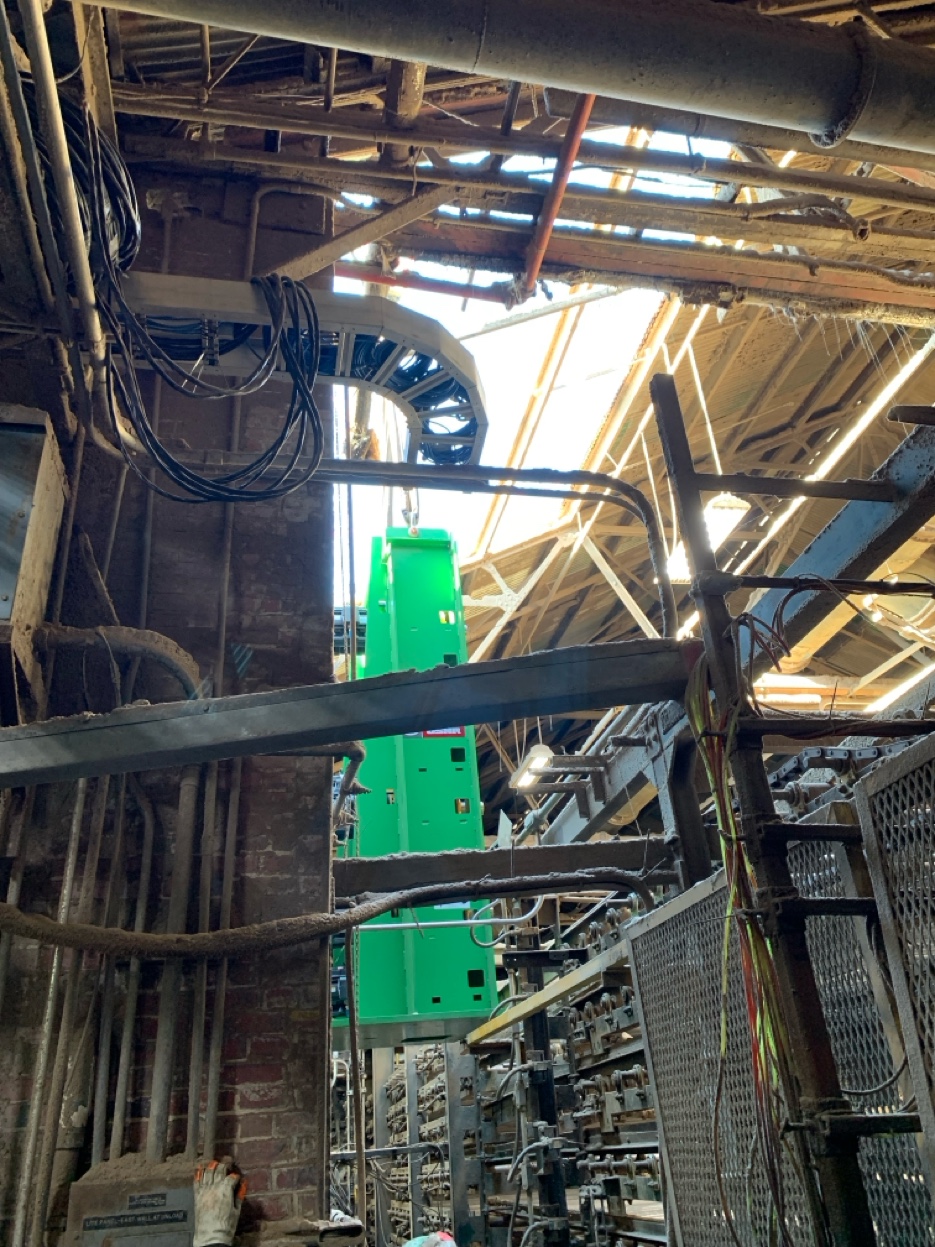
We swapped the assembly immediately. I called the mechanical contractor: “Can you get me another crew for tonight?” They mobilized six additional workers for an emergency night shift. I slept four hours, came back to supervise, bought pizza for the crew, and we finished on schedule. The project was delivered on time, on budget, within the 10-day outage window.
But the seal failure was not an isolated incident—it was a symptom. Once the system was operational and I could observe it under real conditions, the deeper engineering flaws surfaced: chronic oil leaks, excessive vibration, temperatures exceeding safe thresholds, and components positioned where they could not be practically serviced or replaced.
The Redesign: Empirical Data over Engineering Ego
I gathered empirical data—vibration readings, temperature measurements—and walked the plant floor to find analogous systems that were already working well. I brought this data to a collaborative redesign effort involving senior mechanical engineers, the maintenance department, and the vendor. The resulting design was not my design. It was a design constituted through the input of everyone who would build, maintain, and operate the system.
When Systems Are Built Right: The Pennsylvania Compressed Air Overhaul
If the Florida project illustrates what happens when systems are designed without the people closest to the work, the Pennsylvania project illustrates what happens when they are designed with them.
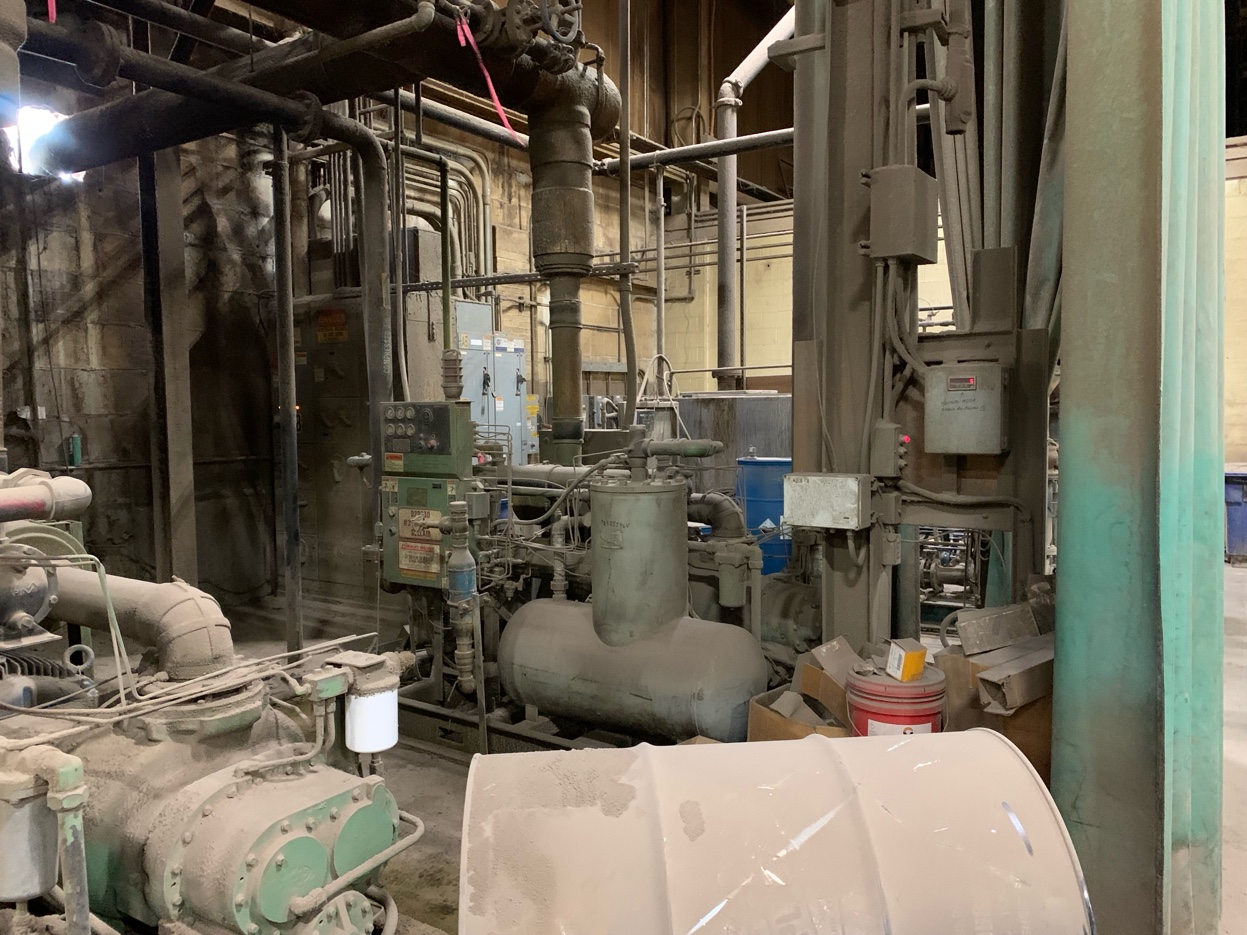
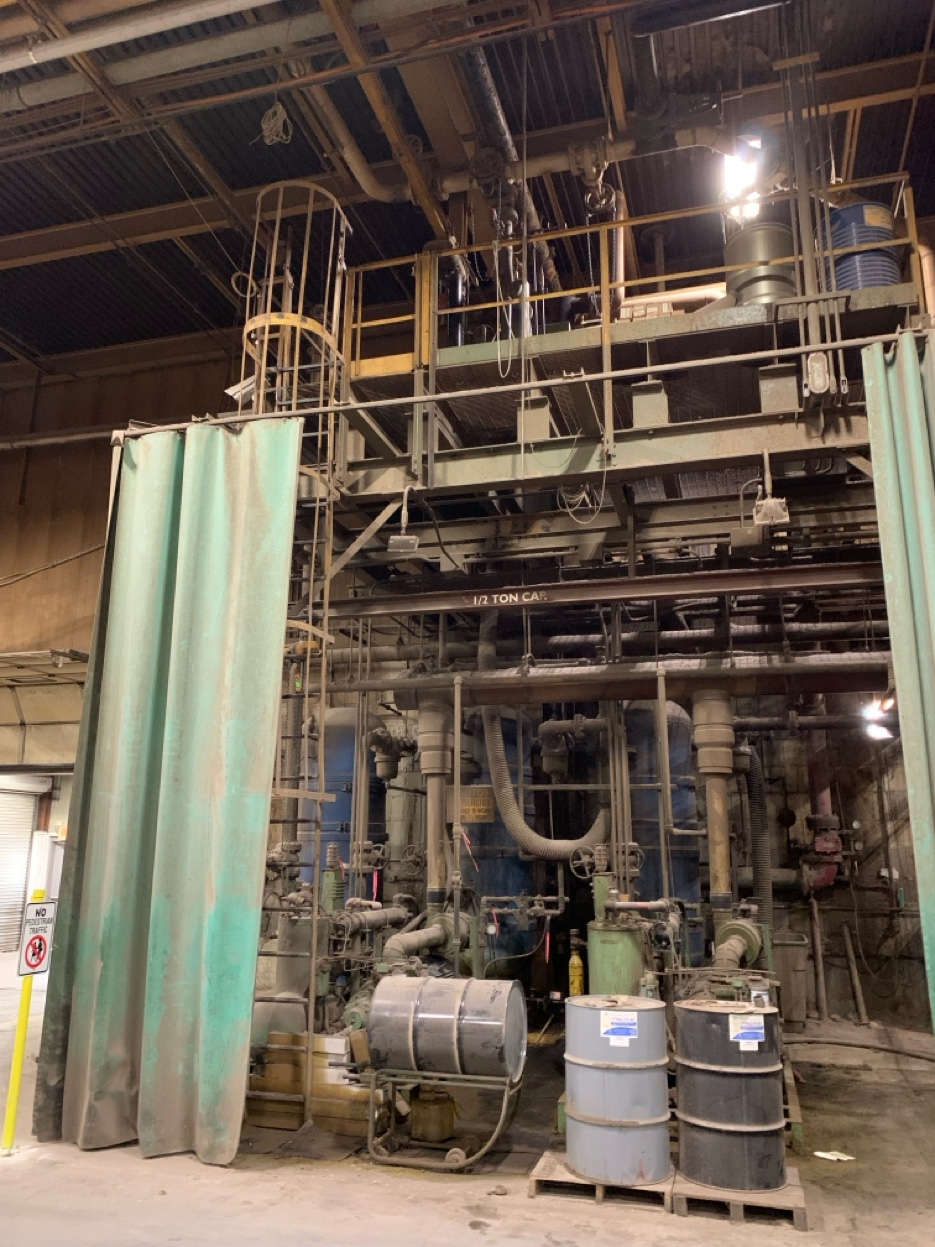
Compressed air is a manufacturing plant’s third utility, after electricity and gas. At Armstrong’s Pennsylvania plant, the compressed air system consisted of two separate networks with six aging compressors, most over 30 years old. One had already caught fire and been dead for a year; replacement parts were no longer manufactured and could only be sourced on eBay. The system was failing, and when it failed completely, the plant would stop.
Charles: The Epistemology of the Floor in Practice
Charles was a maintenance mechanic who had been at the plant for over 30 years. He was the kind of person who held a maintenance department together without anyone noticing—greasing bearings no one else knew how to service, keeping aging equipment alive through institutional knowledge that existed nowhere in writing. I asked his supervisor for two hours of his time, then walked the entire compressed air system with him.
Charles showed me things I would not have found in the engineering drawings. He showed me which pipes were hot lines and which were cold. He explained the cooling system bottlenecks and the piping restrictions that limited airflow. And he showed me the constraint that would have derailed the entire project if I had missed it.
The Bidirectional Filter: A Design Decision Born from Listening
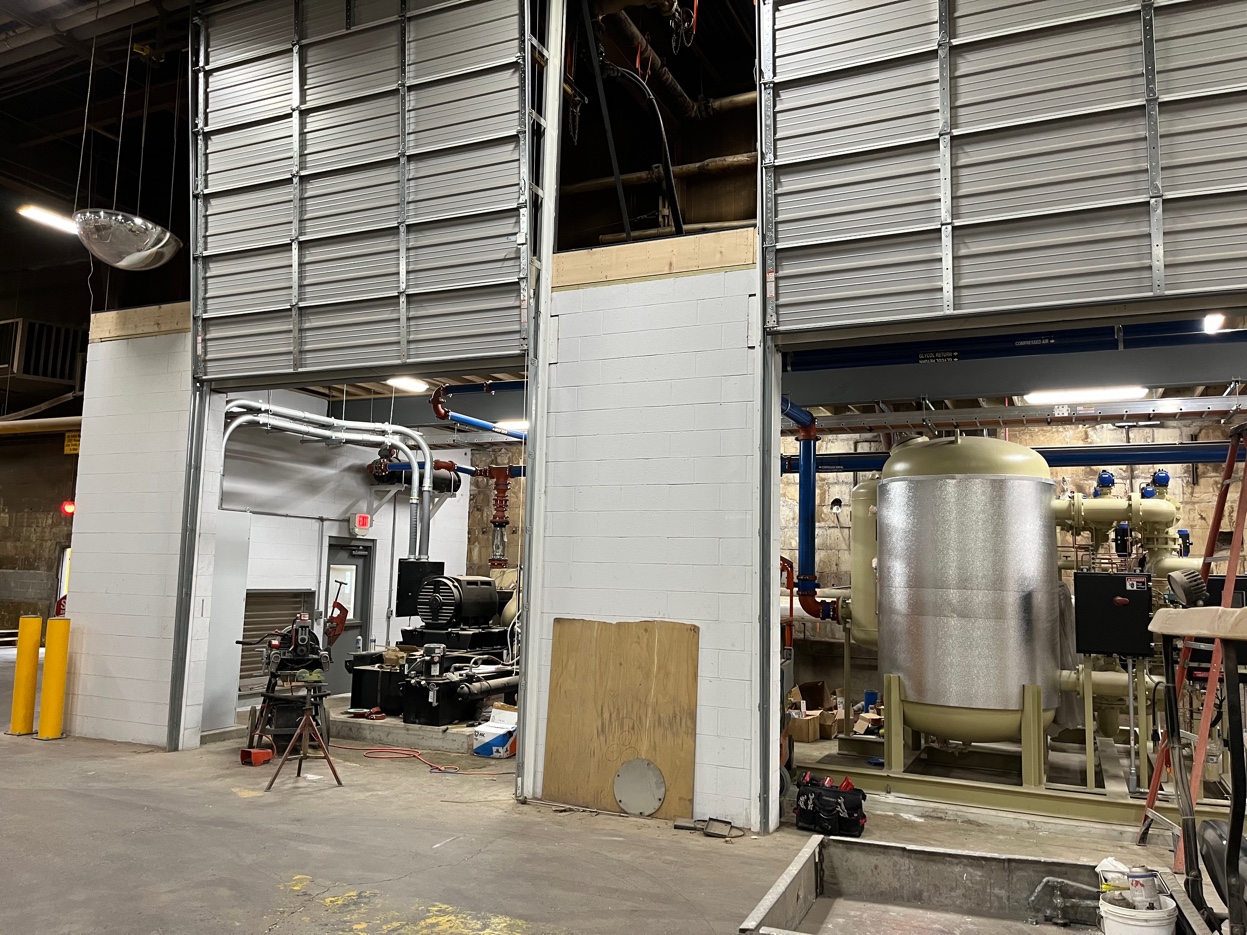
One of the plant’s newer production lines used European equipment manufactured in Spain, all specified to run on oil-free air. This created an isolated system: the American compressors, which had trace oil in the lines, could not back-feed into the European equipment. Charles knew this because he had worked with both systems for years.
The solution was a bidirectional filter—a component that allowed oil-free air to flow into the American system while also filtering oil from the American compressors to safely supply the European equipment. This single design decision, born entirely from listening to a 30-year mechanic, eliminated the system isolation and created true network-wide redundancy.
The Contrast
The difference between the two projects was not technical complexity. The difference was constitutional: the Pennsylvania project was constituted on a foundation of ethical project management and meaningful collaboration with the people closest to the work. The Florida project’s original design was constituted on the assumption that the engineer’s expertise was sufficient and the operator’s experience was irrelevant.
This is the same dynamic the Societal Impacts team studies when they analyze how Claude’s values hold up in real-world interactions. A system’s constitution—whether it is a set of engineering specifications or a set of alignment principles—is only as robust as the process that produced it.
Constitutional Design for the Underrepresented: Seraphim AI
Anthropic’s research on “algorithmic monoculture” has documented a measurable gap in whose perspectives are represented in frontier AI systems. Evaluations show that Claude and its competitors currently cover less than half of the perspectives in public discourse. Esin Durmus’s research on cultural representativeness has shown that LLMs carry structural biases toward Western, secular, and urban value systems. The Societal Impacts team treats this as a research problem. I am treating it as a building problem.
Seraphim AI is an agentic platform oriented toward faith-based and underserved communities—populations that are largely absent from the usage data that frontier AI companies currently study. I co-founded it because I saw a gap between how alignment is discussed in the AI research community and how it is experienced by communities for whom values are not abstract principles but the organizing framework of daily life.
Architecture: A Constitutional Hierarchy Grounded in Scripture
The training data is layered in a deliberate hierarchy. At the base, I processed all 66 books of the Bible—every one of the 1,189 chapters—through a structured devotional framework. I then used Claude Sonnet to compose 10-to-15-page syntheses of each book. Individual verses were indexed separately at the highest retrieval weight. The resulting system enforces a strict constitutional hierarchy:
- Verses (highest weight)—Nothing in the system can contradict what Scripture explicitly states. This is the immovable foundation.
- Chapter summaries—Devotional-level interpretation that cannot contradict individual verses but provides contextual understanding.
- Book syntheses—Historical, theological, and denominational context that cannot override chapter-level or verse-level truth.
- Base LLM (lowest weight)—General knowledge filtered through the special revelation of Scripture before reaching the user.
This hierarchy is structurally analogous to Anthropic’s own 4-tier priority framework for Claude’s constitution, where Safety overrides Ethics, which overrides Anthropic Guidelines, which overrides Helpfulness. Both systems solve the same fundamental problem: when values conflict, there must be a deterministic logic for deciding which value prevails. The architectural pattern is the same; the normative content differs.
An Alignment Test from the Field
Shortly after deploying the initial chatbot, one of the elders at my church conducted what was essentially a red-team evaluation. He probed Seraphim on the question of homosexuality—whether the Bible defines it as sin.
Seraphim provided a clear answer grounded in Scripture: homosexuality is defined as sin in the Bible. But the system did not stop at the doctrinal claim. It spoke what Christians call “truth in love”—explaining that God meets people where they are, that transformation comes through relationship with Christ, and that sanctification is one of humility and surrender, not behavioral compliance. The constitutional hierarchy held. The system delivered doctrinally faithful output with pastoral sensitivity—because both qualities were built into the constitution from the foundation.
Why This Matters for Societal Impacts Research
The communities Seraphim is designed to serve are not well represented in the datasets that frontier AI companies use to study alignment. I know these communities because I have served them directly.
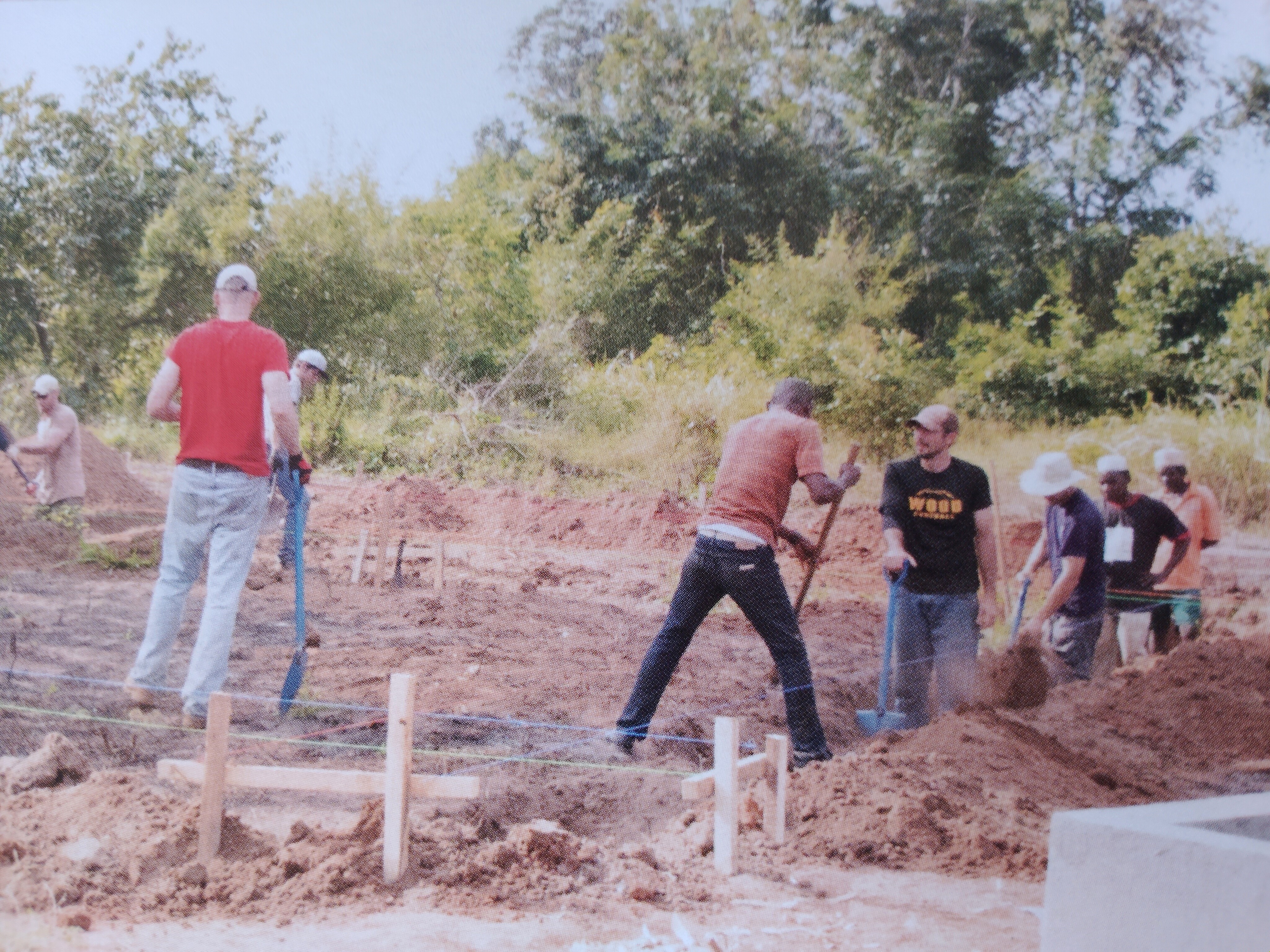
Seraphim is my attempt to build from the floor up—to constitute an AI system on the values and needs of the community it serves, rather than designing for them from a distance. It is participatory design applied to alignment.
Conclusion: The Builder’s Perspective
I am an operator and a builder. I think in systems, measure outcomes, and iterate based on data. I have managed $8.5 million in concurrent capital projects. I have led a production crew to an 18.2% productivity increase and a 27.9% reduction in scrap through bottom-up pattern recognition in operational data. I am co-founding a startup where sociotechnical alignment is a design constraint from the initial project charter, not an afterthought.
I am not the most credentialed applicant for this role. I have not trained in formal research conventions. I have not built evaluation pipelines or worked with tools like Clio. These are real gaps, and I name them honestly.
But I bring something that may be harder to find: five years of ground truth from inside the systems being transformed by AI. I have navigated the gap between design intent and real-world performance—the same gap this team studies in Claude’s behavior. And I have begun building an AI system where the question of whose values are represented is not a research finding but a founding principle.
The lesson of the floor is simple and repeatable: systems constituted without the people closest to the work will fail. Systems constituted with them will hold. I have seen this in a 30,000-pound gearbox in Florida, a compressed air network in Pennsylvania, and a chatbot grounded in Scripture. What has happened will happen. The pattern is the same. The question is whether we build on firm foundations or repeat the failures of those who did not listen.
I believe this perspective has value for a team studying how AI systems interact with the complex realities of human society. I am ready to learn the tools, the methods, and the conventions. I will not be the most credentialed applicant, but I will be among the most disciplined.
References
- Bai, Y. et al. “Constitutional AI: Harmlessness from AI Feedback.” Anthropic, 2022.
- Anthropic. “Claude’s New Constitution.” anthropic.com, January 2026.
- Anthropic. “Clio: Privacy-Preserving Insights into Real-World AI Use.” December 2024.
- Huang, S. et al. “Values in the Wild.” Anthropic, April 2025.
- Anthropic. “The Anthropic Economic Index.” February 2025.
- Durmus, E. et al. “Towards Measuring the Representation of Subjective Global Opinions in Language Models.” Anthropic, 2024.
- Roper, R. et al. “Benchmarking Overton Pluralism in LLMs.” arXiv:2512.01351, 2025.
- Nygaard, K. and Bergo, O.T. The NJMF Project, 1971–1973.
- Bødker, S. et al. “The UTOPIA Project.” 1981–1986.
- Toyota Motor Corporation. “Toyota Production System.” global.toyota.com.
- Adler, P. “The NUMMI Case.” 1992.
- Sundin, A. and Sjögren, D. “The Details Are Not the Details.” 2024.